The Colosseum
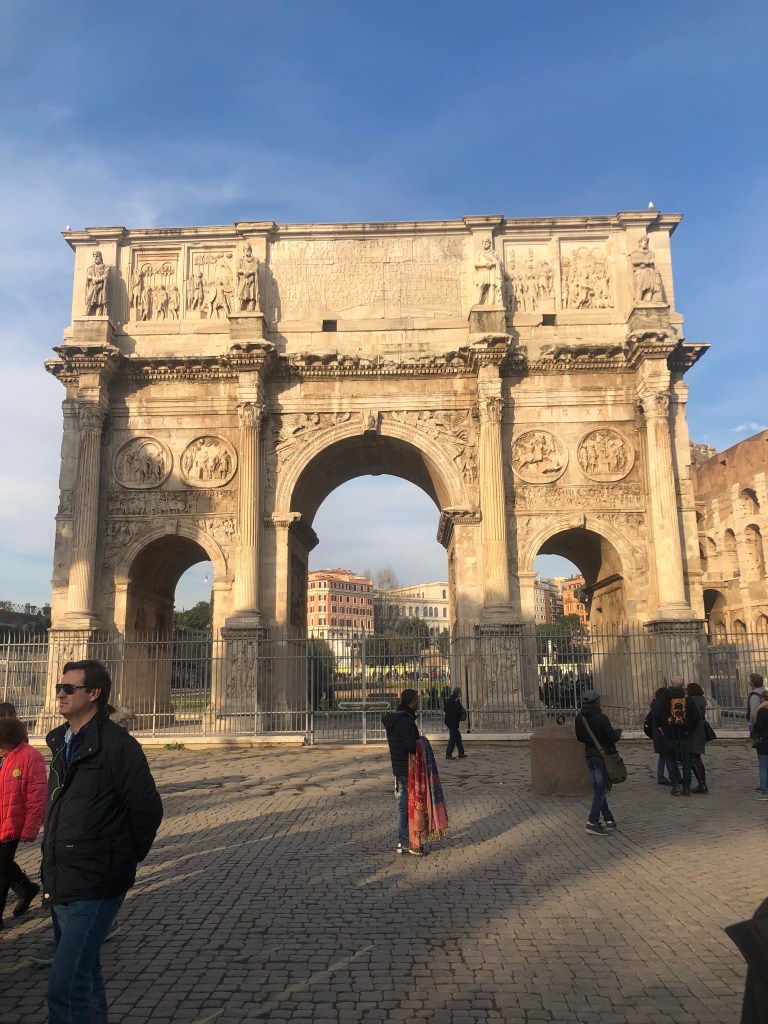
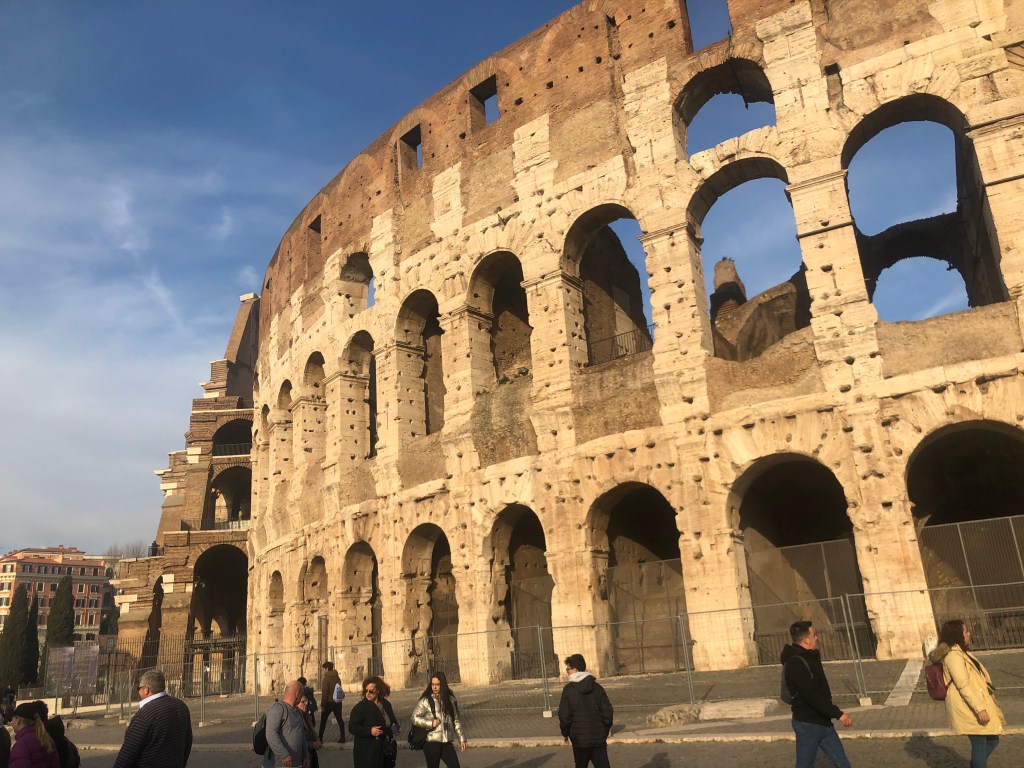
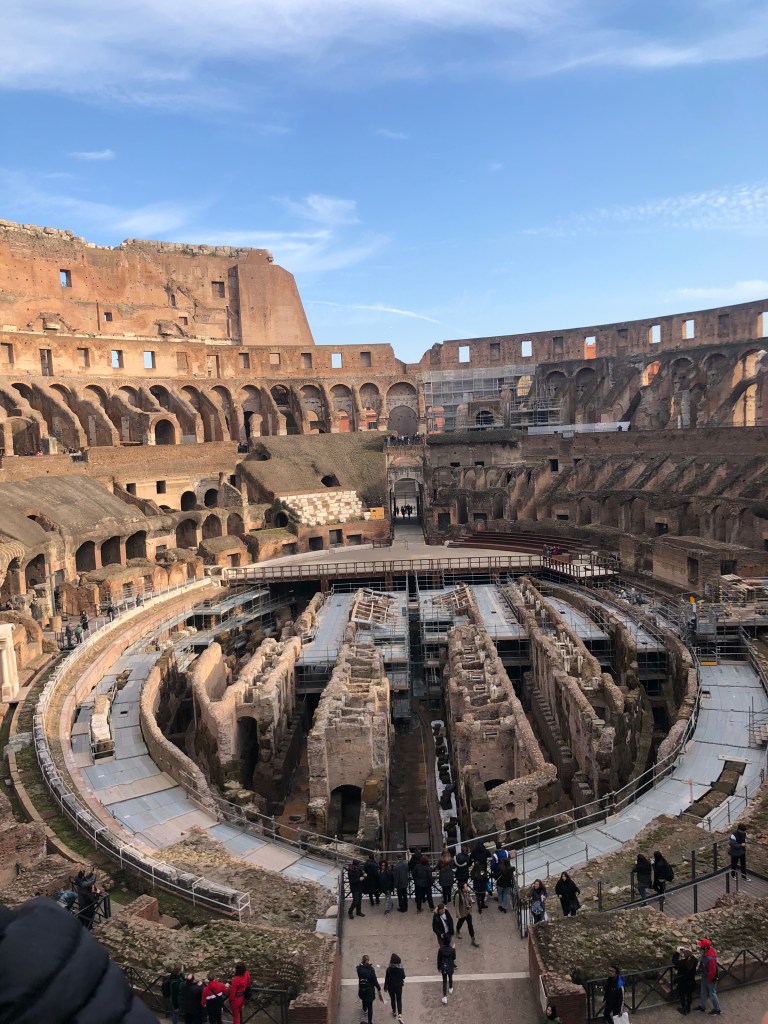
One of the most famous structures in Europe is the Colosseum. This was originally known as the Flavian Amphitheater as a gift to the Roman people by Emperor Vespasian of the Flavian dynasty. Measuring 620 by 513 feet this was the largest amphitheater in the Roman world. The amphitheater was used for games such as gladiatorial combats and wild animal fights. The gladiators were generally slaves, criminals or prisoners of war that were forced to fight as their punishment. They were kept in the prison cells below the stage of the Colosseum until it was their time to fight. Some of the animals that were included in the fights were elephants, tigers, lions, cheetahs, and many more. Sometimes the gladiators were tied together with the animals to make sure they were close together to fight each other.
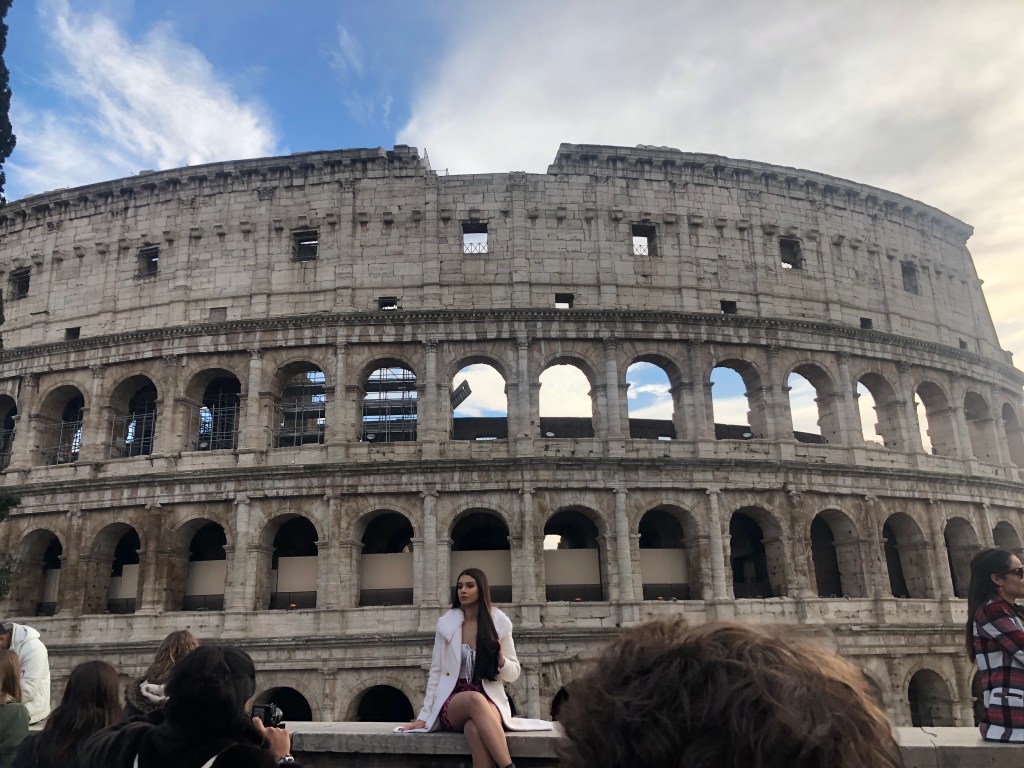
The colosseum had seating for more than 70,000 spectators and the seating was broken up into sections based on your social status and were packed in very tightly to fit the most people. The exterior of the Colosseum was made up of three stories of arches each with a different style. According to History.com, “At the bottom were columns of the relatively simple Doric order, followed by Ionic and topped by the ornate Corinthian order.” I think that is a really interesting component to include different styles within the structure. After the Colosseum closed in 6thcentury A.D unfortunately it had suffered a lot of damage due to earthquakes and lightening. Pieces form the theater were taken out and used to build other churches and structures.
Michelangelo Sistine Chapel
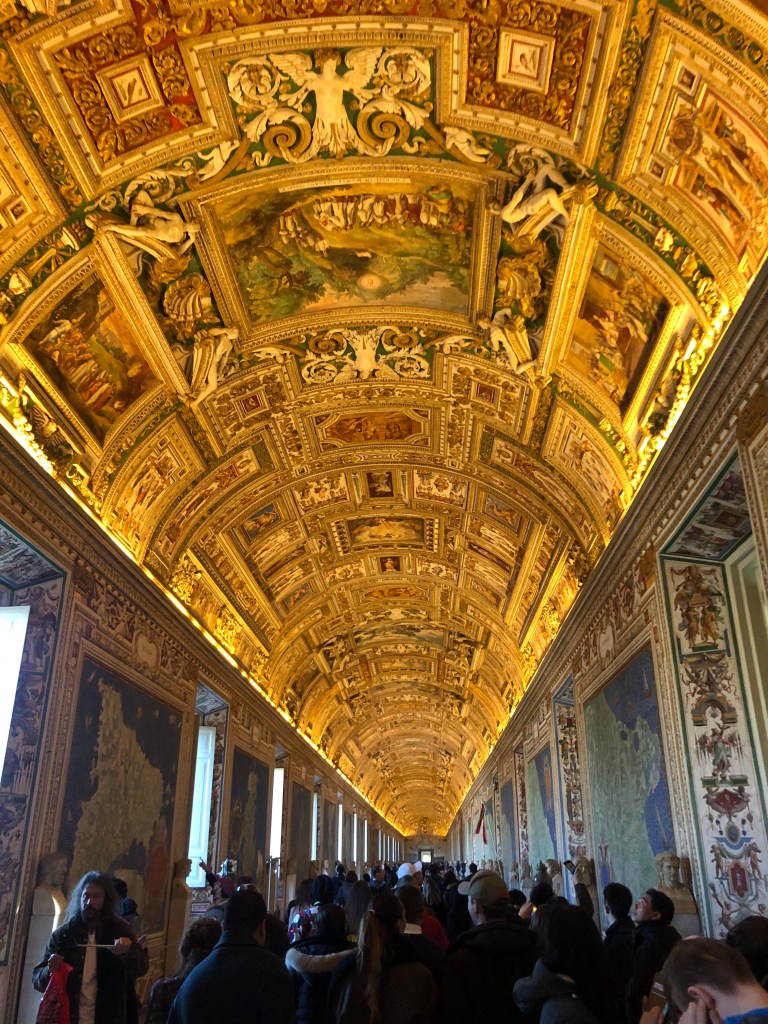
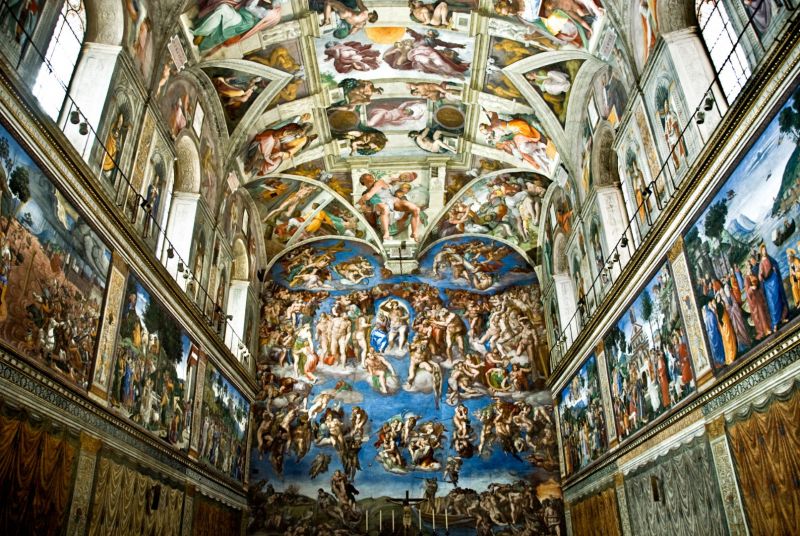
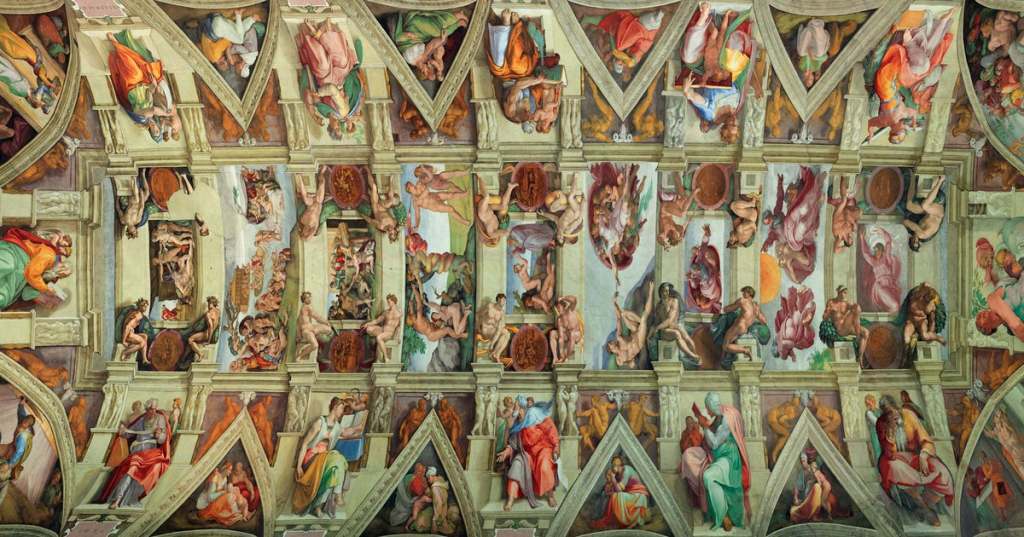
On our last museum visit of this trip we visited Vatican City. I was very excited to be able to visit such an important and historic place. The size of this city and museum were much larger than I expected but I really enjoyed walking through it to see all the historical comonents. While in the Vatican we visited the famous Sistine Chapel. As we first walked in I was actually surprised by how small it actually was compared to other churches we have seen. The artwork on the ceilings and walls were awe-inspiring. The detail on each section was exquisite. Pope Julius II commissioned Michelangelo to decorate the vault of the chapel. According to History.com, “When Julius asked the esteemed artist to switch gears and decorate the Sistine Chapel’s ceiling, Michelangelo balked.” He did not want to be a part of that because he had no experience painting frescos and saw himself as more of a sculptor but agreed anyway.
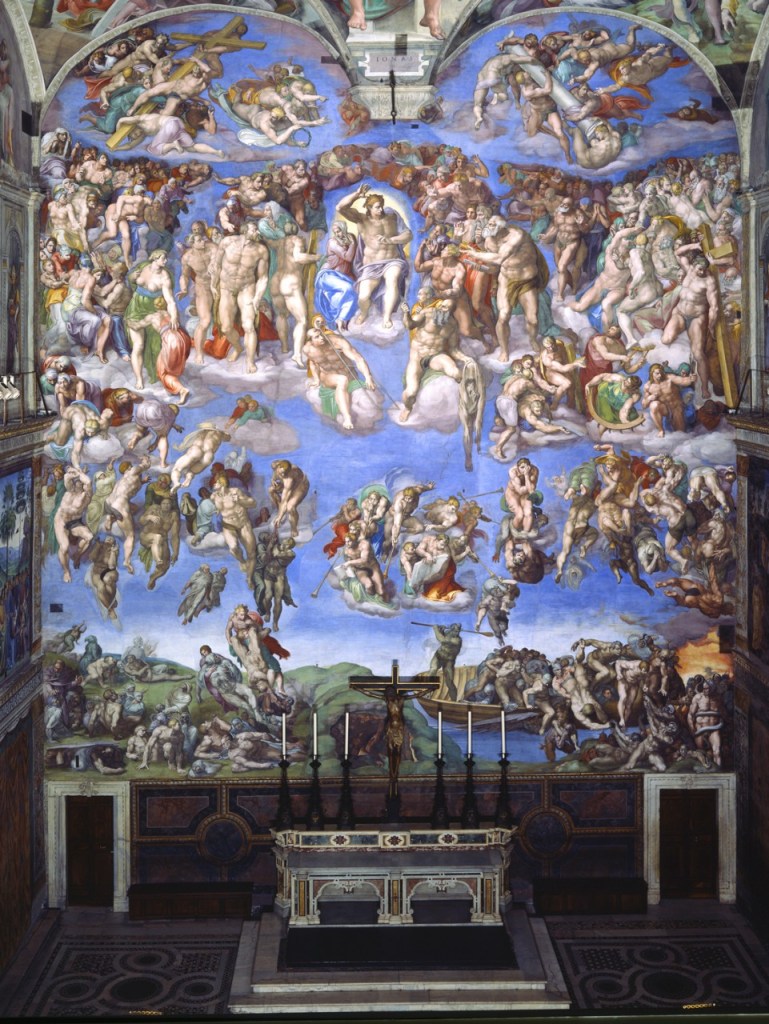
Michelangelo began painting in 1508 and continued until 1512. He painted smaller and larger figures on the ceiling to complement each other and show more expressive movement. On the ceiling are stories form the Old Testament including people such as David, Josiah, and Jesse. The most famous artwork from his is The Last Judgement on the alter wall. Christ is located in the fulcrum of the fresco and surrounded by many very masculine figures. It shows the demons on the bottom and angels though out trying to save the should from going to hell. This was amoving work of art that I am very grateful I got to experience it in person.
References
Cohen, Jennie. “7 Things You May Not Know About the Sistine Chapel.” History.com, A&E Television Networks, 1 Nov. 2012, http://www.history.com/news/7-things-you-may-not-know-about-the-sistine-chapel.
History.com Editors. “Colosseum.” HISTORY, A&E Television Networks, 9 Nov. 2009, http://www.history.com/topics/ancient-history/colosseum.
 European Art & Architecture